Case study · On-sensor fall detection
A Wristband That Knows When You Fall
STM32 + IMU wristband; decision-tree-tuned rules run on the sensor's on-chip FSM.
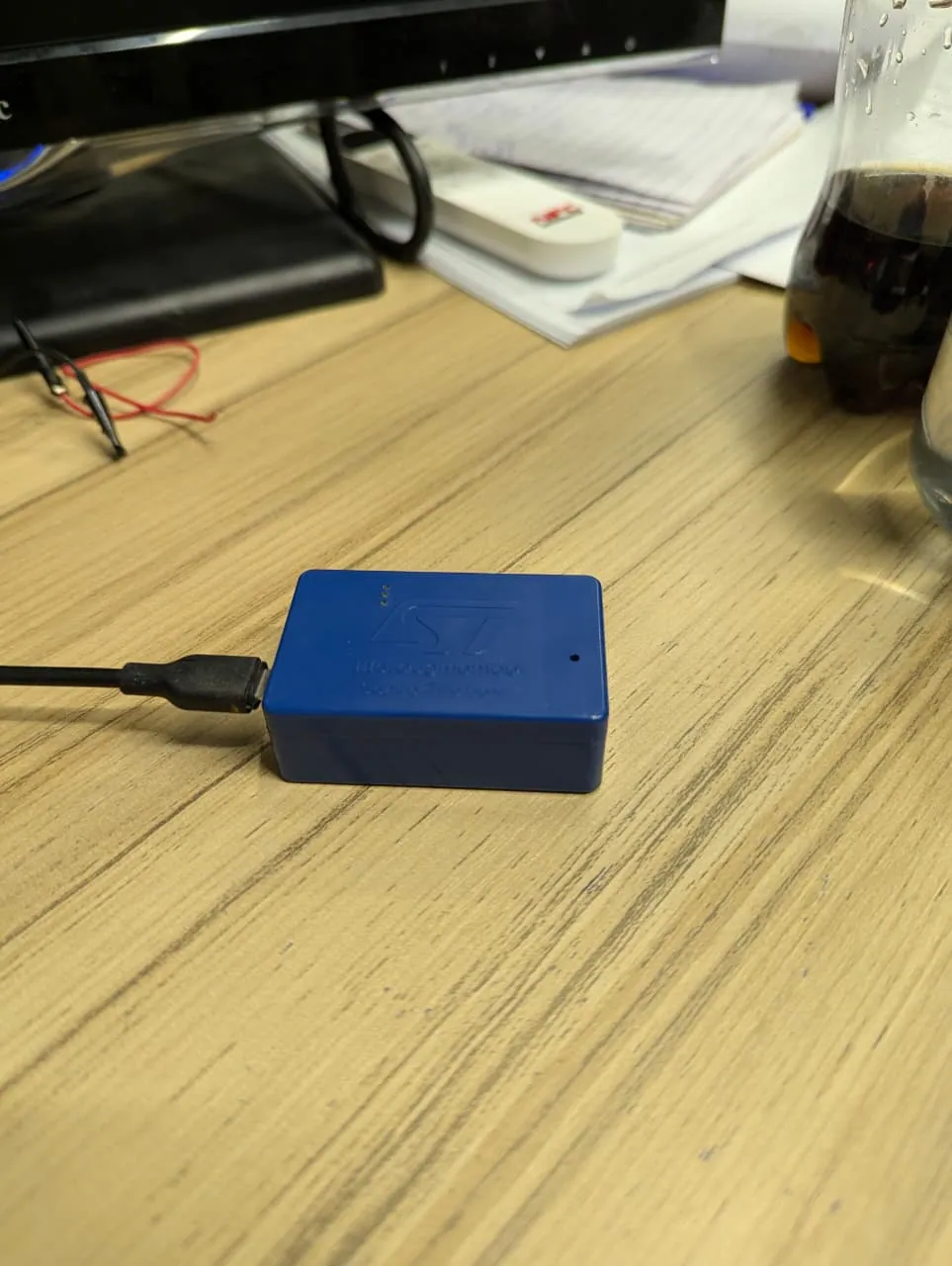
A wrist-worn fall and slip detection system built at ChipMango in Lahore, Pakistan. Embedded firmware on an STM32 microcontroller reads an inertial measurement unit (IMU) and streams multi-subject motion data over Bluetooth Low Energy (BLE) to a mobile app and a PC dashboard. Decision-tree analysis tunes finite-state-machine rules for fall and slip detection, reaching 85% detection accuracy.
- Org
- ChipMango
- Status
- Live
- Channels
- CH1CH2CH4
The problem
Detecting falls on a wrist wearable usually needs an always-on processor, which drains the battery. The aim: detect falls and slips on the motion sensor itself.
What I built
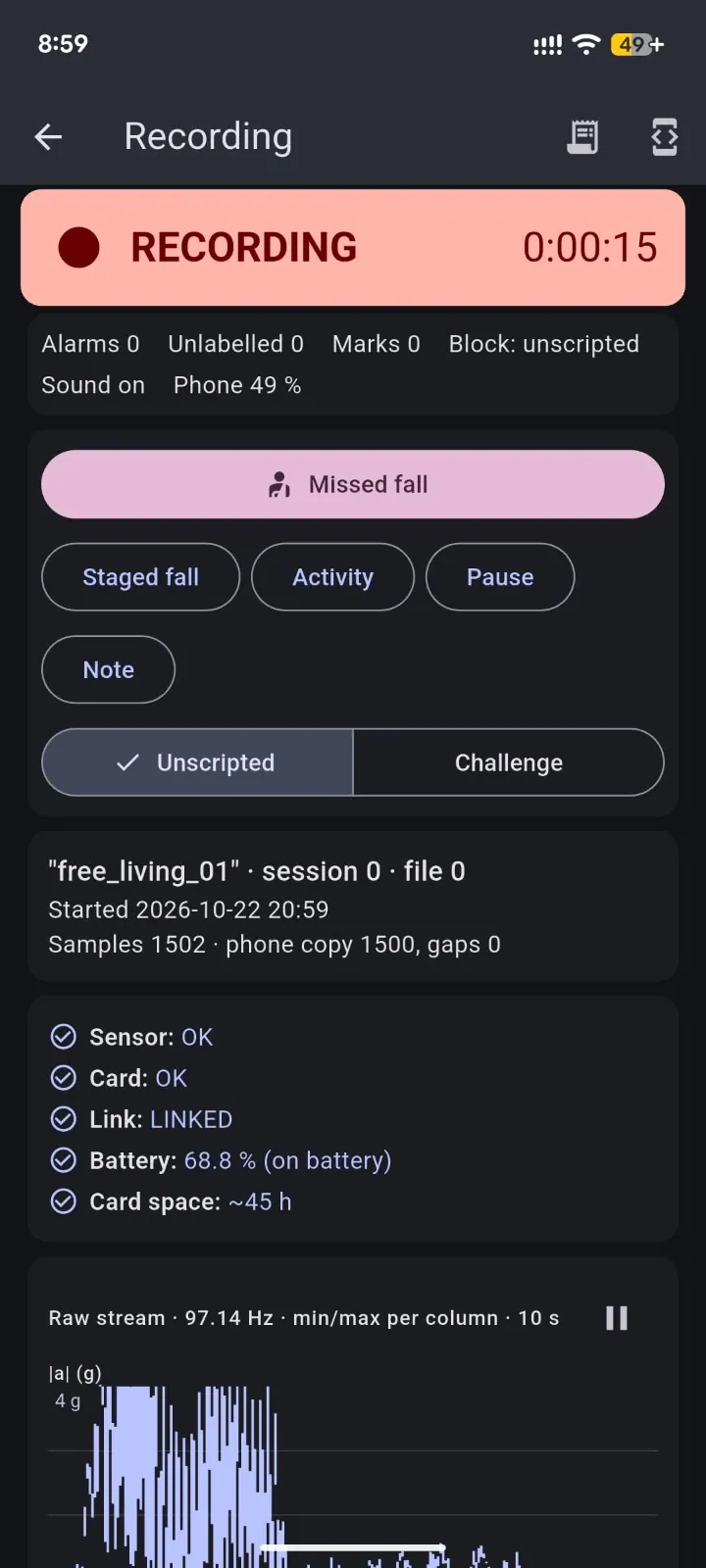
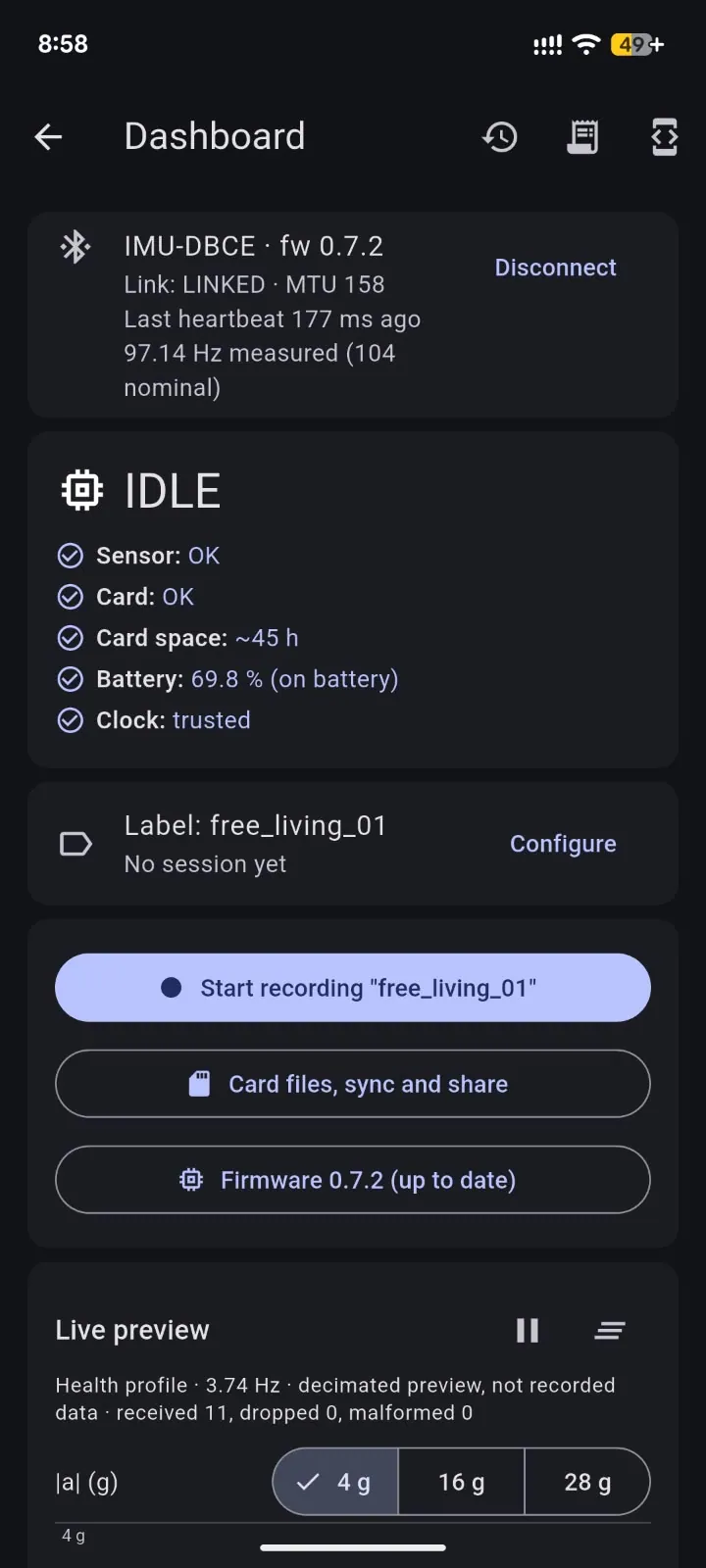
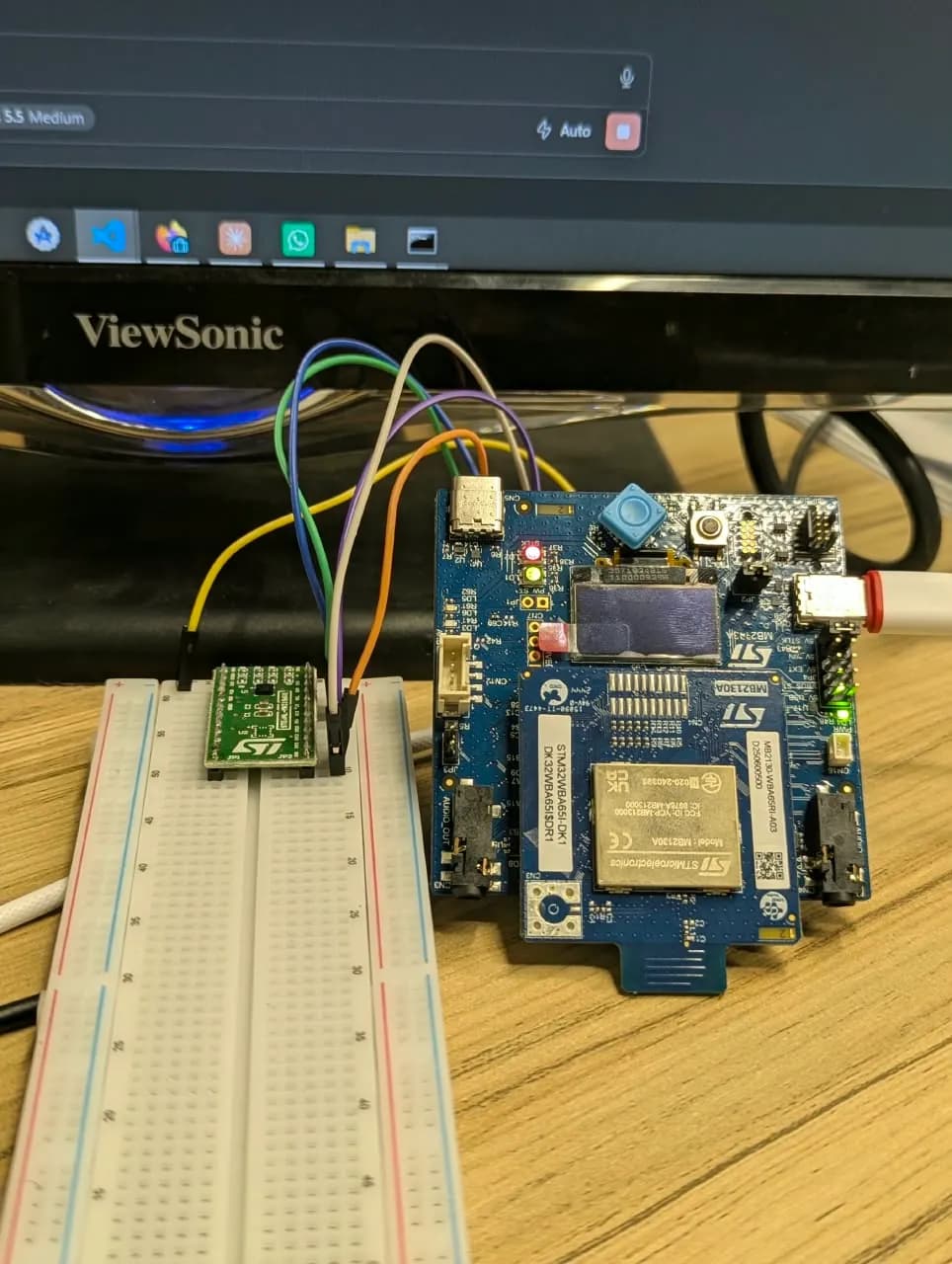
- A wearable data-collection system (STM32 + IMU) streaming multi-subject motion data over BLE to a custom mobile app and PC dashboard
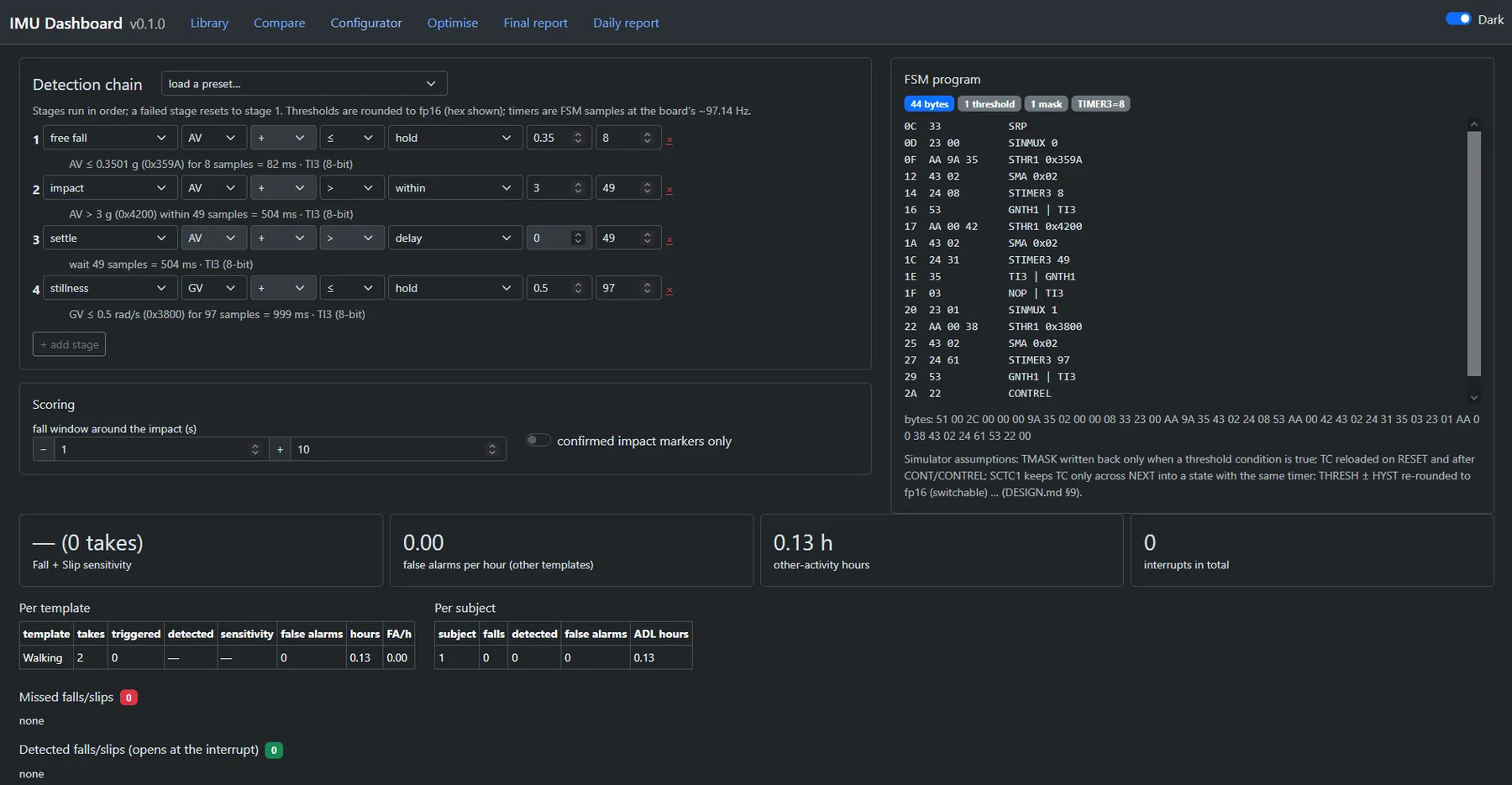
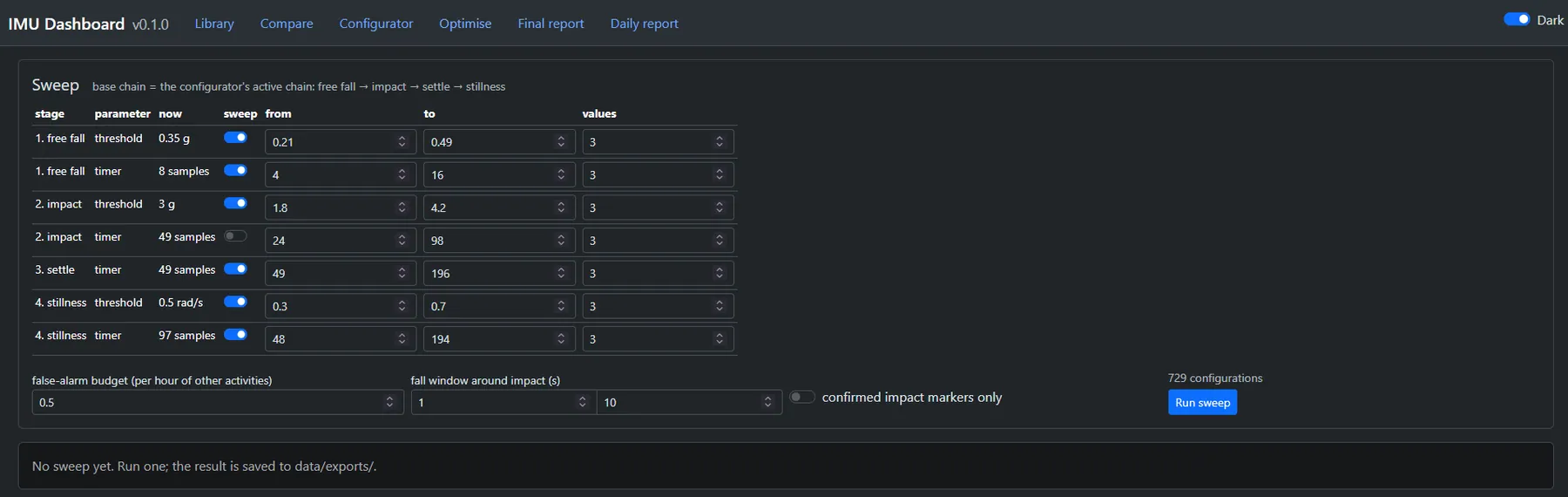
- Decision-tree analysis to tune finite-state-machine rules for fall and slip detection
- Deployment targeted at the IMU's embedded FSM engine for real-time, ultra-low-power detection on the sensor
Stack
STM32 · IMU (on-chip FSM) · BLE · Mobile app · Decision trees
Results
- 85% detection accuracy
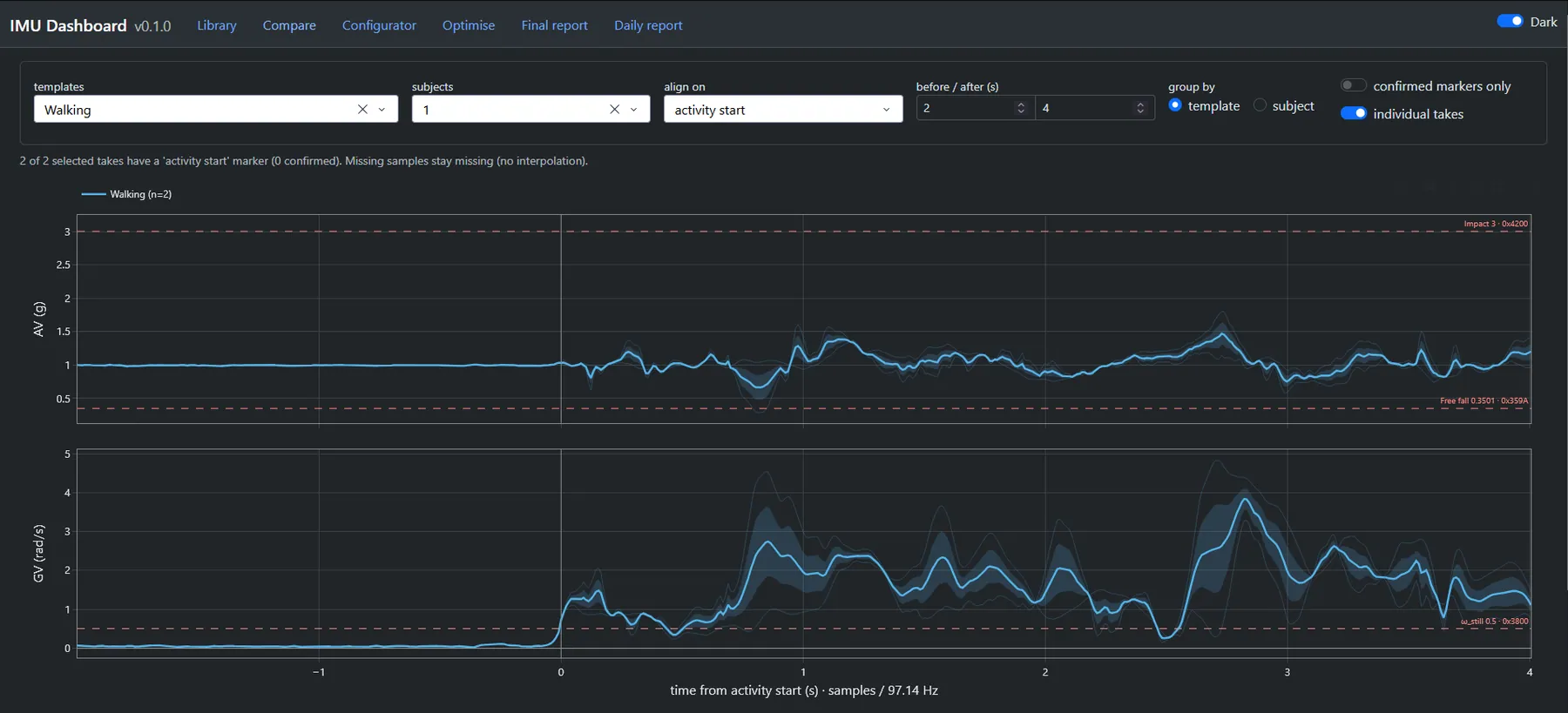
Fall detection on a wearable usually keeps a processor awake to watch the accelerometer and gyroscope, which drains the battery. The rules are designed for the IMU's embedded finite-state-machine engine, the target for deployment, so the sensor itself can watch for free-fall, impact and lying still in real time at ultra-low power.
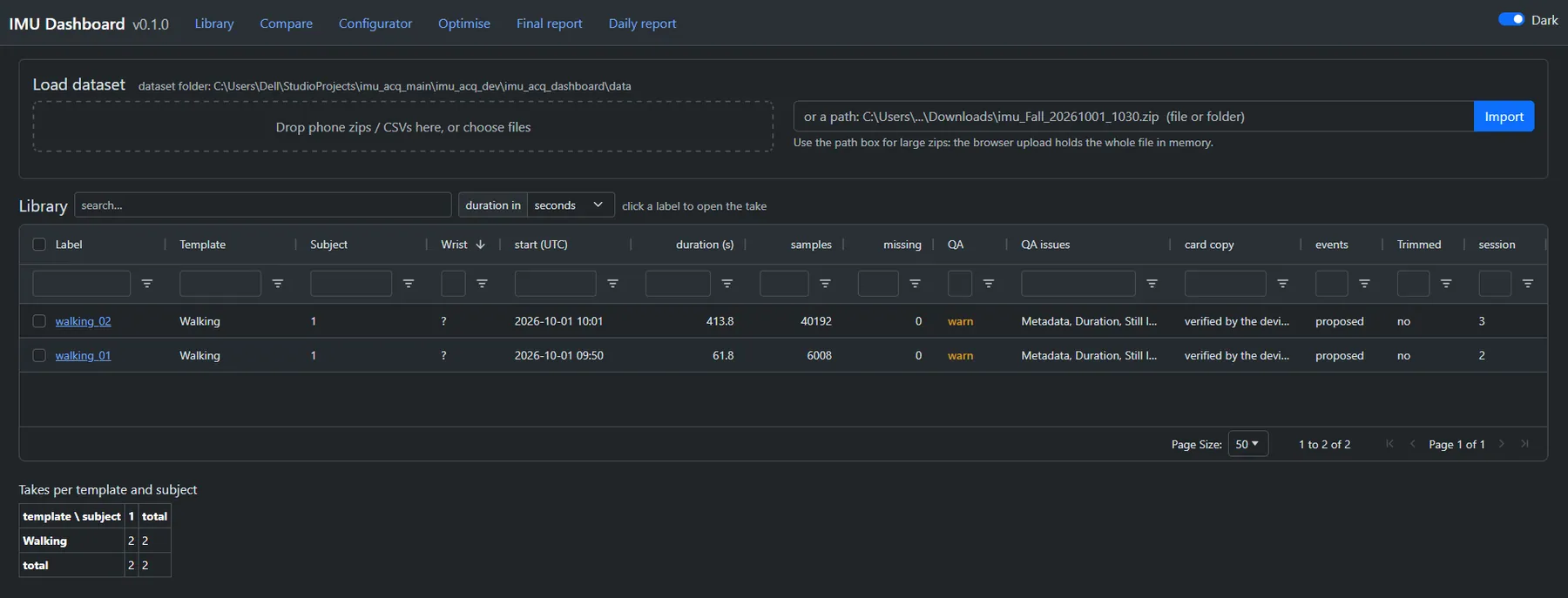
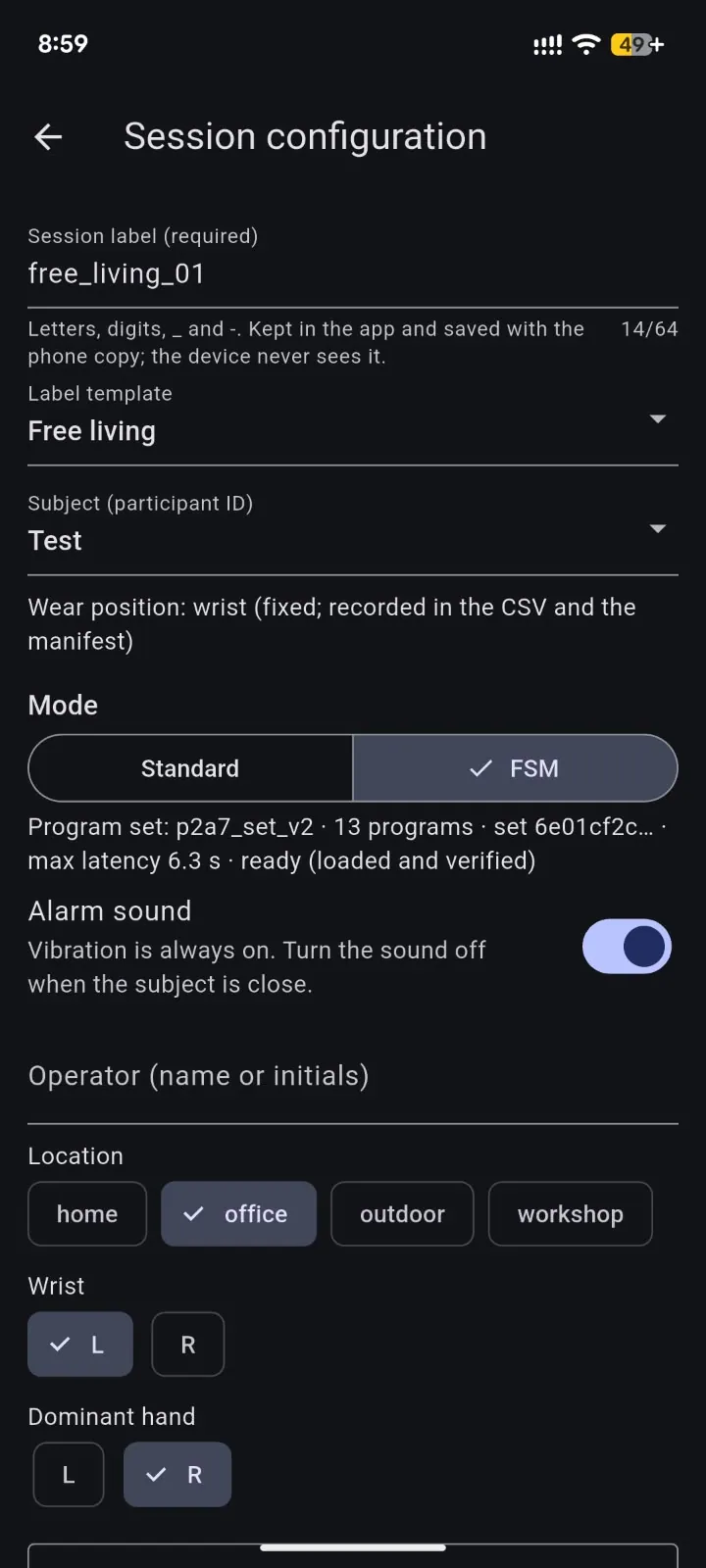
The data-collection side is a full toolchain: STM32 firmware, a BLE link, a mobile app for recording sessions and configuring the device, and a PC dashboard for live plots, session lists and FSM settings. The recorded multi-subject dataset feeds the decision-tree analysis that sets the thresholds.
Gallery
Straight from the archive: every photo I could dig up for this build.